Rotovator Maintenance for Spring Planting: Complete Pre-Season Checklist
Published by Get Her Going Technical Team on 2nd Mar 2026
Rotovator Tiller Maintenance for Spring Planting: Complete Pre-Season Checklist
Last Updated: March 2026 | Reading Time: 12 minutes
Quick Answer: 8 Essential Checks Before Using Your Rotovator This Spring
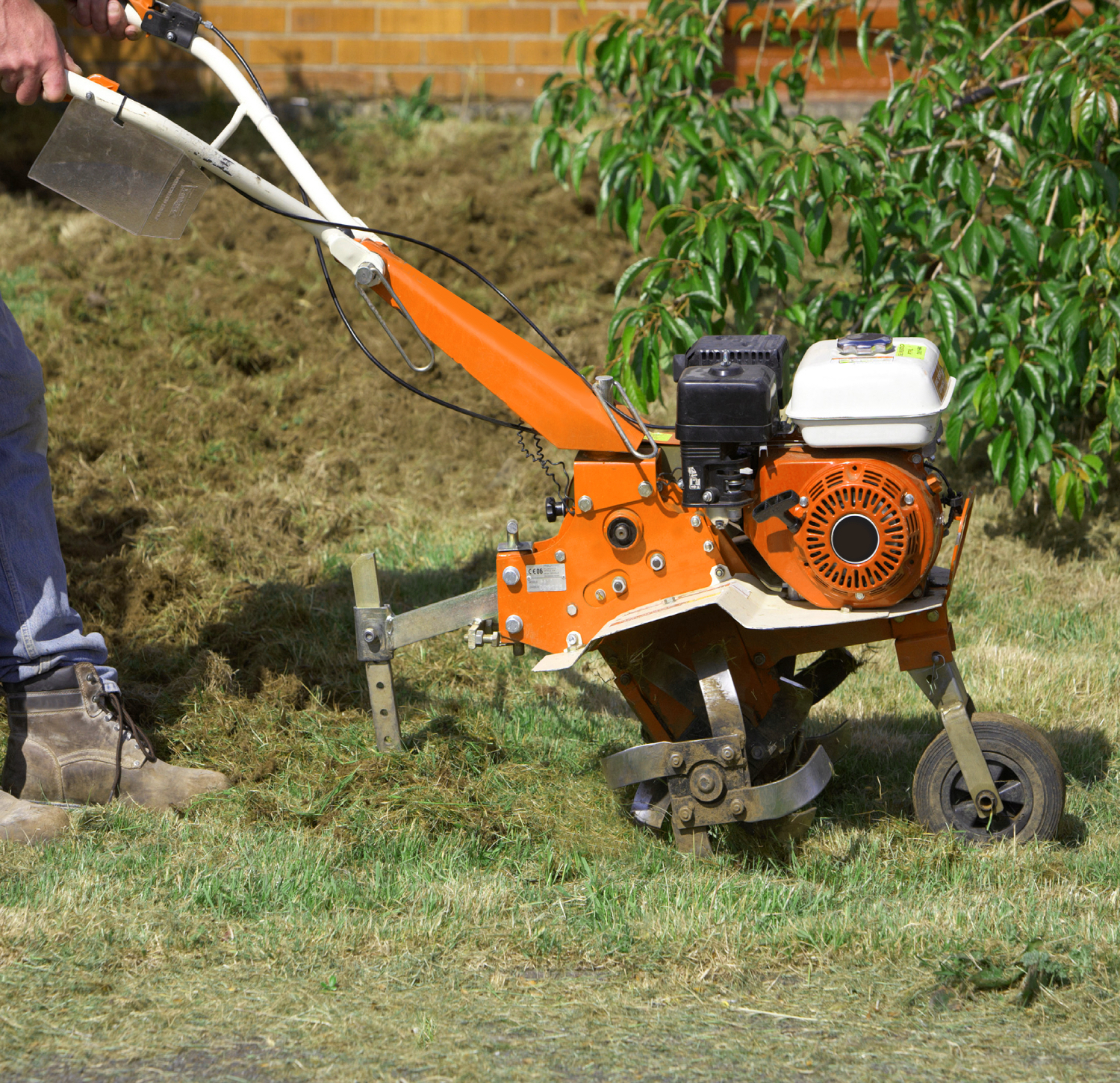
Spring planting season is here. Before you break ground, your rotovator needs these critical maintenance checks:
- Check engine oil level — top up or change if dark/old (prevents engine seizure)
- Inspect tiller tines — check for wear, damage, or bent blades
- Replace old fuel — drain stale fuel, add fresh fuel with stabilizer
- Test drive belt — check tension, look for cracks or glazing
- Lubricate gearbox — check oil level, top up if needed
- Check spark plug — clean or replace if fouled from storage
- Inspect depth stake — ensure it adjusts and locks properly
- Test safety features — dead man's handle, tine clutch engagement
These eight steps prevent the most common spring startup failures and ensure safe, effective tilling all planting season.
Average maintenance time: 45 minutes
Parts cost (if needed): £30-80 / $38-100 / €35-95 / C$51-136
Why Rotovator Maintenance Matters Before Planting Season
What happens to rotovators during winter storage:
- Fuel degrades and clogs carburetor jets (after 30-60 days)
- Engine oil breaks down and loses viscosity
- Tiller tines rust and become dull
- Drive belts dry out and crack
- Gearbox oil settles and seals dry out
- Spark plugs foul from old fuel residue
- Throttle and clutch cables seize from lack of use
The cost of skipping maintenance:
- Gearbox rebuild: £150-400 / $190-505 / €175-470 / C$255-680 (vs £12 / $15 / €14 / C$20 oil top-up)
- Tine replacement set: £40-120 / $50-150 / €47-140 / C$68-204 (vs £8 / $10 / €9 / C$13 sharpening)
- Carburetor rebuild: £60-120 / $75-150 / €70-140 / C$100-200 (vs £8 / $10 / €9 / C$13 fresh fuel)
- Lost planting time: 3-7 days waiting for repairs during peak season
Bottom line: Allotment holders and market gardeners know — missing the planting window costs money. 45 minutes of maintenance keeps you on schedule.
Spring Rotovator Maintenance Checklist
Step 1: Visual Inspection (5 minutes)
Before starting the engine, inspect the entire machine:
Frame & Structure:
- ✅ Check for cracks in frame welds
- ✅ Inspect handlebars for loose bolts or damage
- ✅ Check wheels/transport wheels for proper mounting
- ✅ Ensure all guards and covers are intact (safety critical)
Tiller Tines:
- ✅ Inspect each tine blade for wear, bending, or cracks
- ✅ Check tine mounting bolts are tight (vibration loosens them)
- ✅ Look for missing or damaged tine retaining pins
- ✅ Measure tine length — worn tines reduce tilling depth
Drive System:
- ✅ Check drive belt for cracks, fraying, or glazing
- ✅ Inspect belt tension (should have 10-15mm / 0.4-0.6" deflection)
- ✅ Look for oil leaks around gearbox seals
- ✅ Check chain drive (if fitted) for proper tension
Safety Features:
- ✅ Test dead man's handle — engine should stop when released
- ✅ Check tine clutch lever operation
- ✅ Inspect depth stake for damage and proper adjustment
- ✅ Ensure all warning labels are legible
Red flags requiring immediate attention:
- Cracked gearbox housing (oil leaks lead to total failure)
- Severely worn or bent tines (poor tilling, safety risk)
- Frayed or damaged drive belt (will snap under load)
- Dead man's handle not working (critical safety feature)
Step 2: Engine Oil Check & Change (10 minutes)
Oil protects your rotovator engine during high-load tilling.
How to check engine oil:
- Place rotovator on level ground
- Clean area around oil filler cap
- Remove dipstick and wipe clean
- Reinsert fully without screwing in (or screw in depending on type)
- Remove and check level
What you're looking for:
- Low oil: Top up immediately (rotovator engines work hard — seizure risk is high)
- Dark/dirty oil: Change if over 6 months old or 20+ hours use
- Milky appearance: Water contamination (head gasket issue)
- Metal particles: Serious wear (engine inspection needed)
Recommended oil types:
UK/Europe spring conditions:
- SAE 30 for temperatures above 5°C / 41°F
- 10W-30 multi-grade for variable spring weather
- 5W-30 synthetic if working in early spring cold
US/Canada conditions:
- 10W-30 for most spring conditions
- SAE 30 for southern states (warmer)
- 5W-30 for northern states/Canada (cold starts)
Oil change interval: Every 50 hours OR annually (whichever first) — spring is the perfect time
How to change rotovator engine oil:
- Run engine 2-3 minutes to warm oil (flows easier)
- Place drain pan under engine
- Remove drain plug (usually 17mm)
- Drain completely (may take 5-10 minutes)
- Replace drain plug and washer
- Refill with correct grade and quantity (check manual)
- Check level with dipstick
- Dispose of old oil properly (recycling center)
Oil capacity: Typically 0.6-1.0 liters depending on engine size
Step 3: Fuel System Service (10 minutes)
Stale fuel is the #1 reason rotovators won't start in spring.
Why old fuel causes problems:
- Ethanol fuel degrades after 30 days (becomes gummy)
- Water absorption causes corrosion in fuel system
- Varnish deposits clog carburetor jets
- Engine won't start, runs rough, or lacks power
What to do with old fuel:
If fuel is over 3 months old — DRAIN IT:
- Turn fuel valve to OFF position
- Disconnect fuel line from carburetor
- Drain into approved container
- Dispose of old fuel properly
- Reconnect fuel line
- Fill with fresh fuel
- Add fuel stabilizer (protects for 12-24 months)
If fuel is less than 3 months old:
- Add fuel stabilizer to tank
- Run engine 5 minutes to circulate
- This extends fuel life another 3-6 months
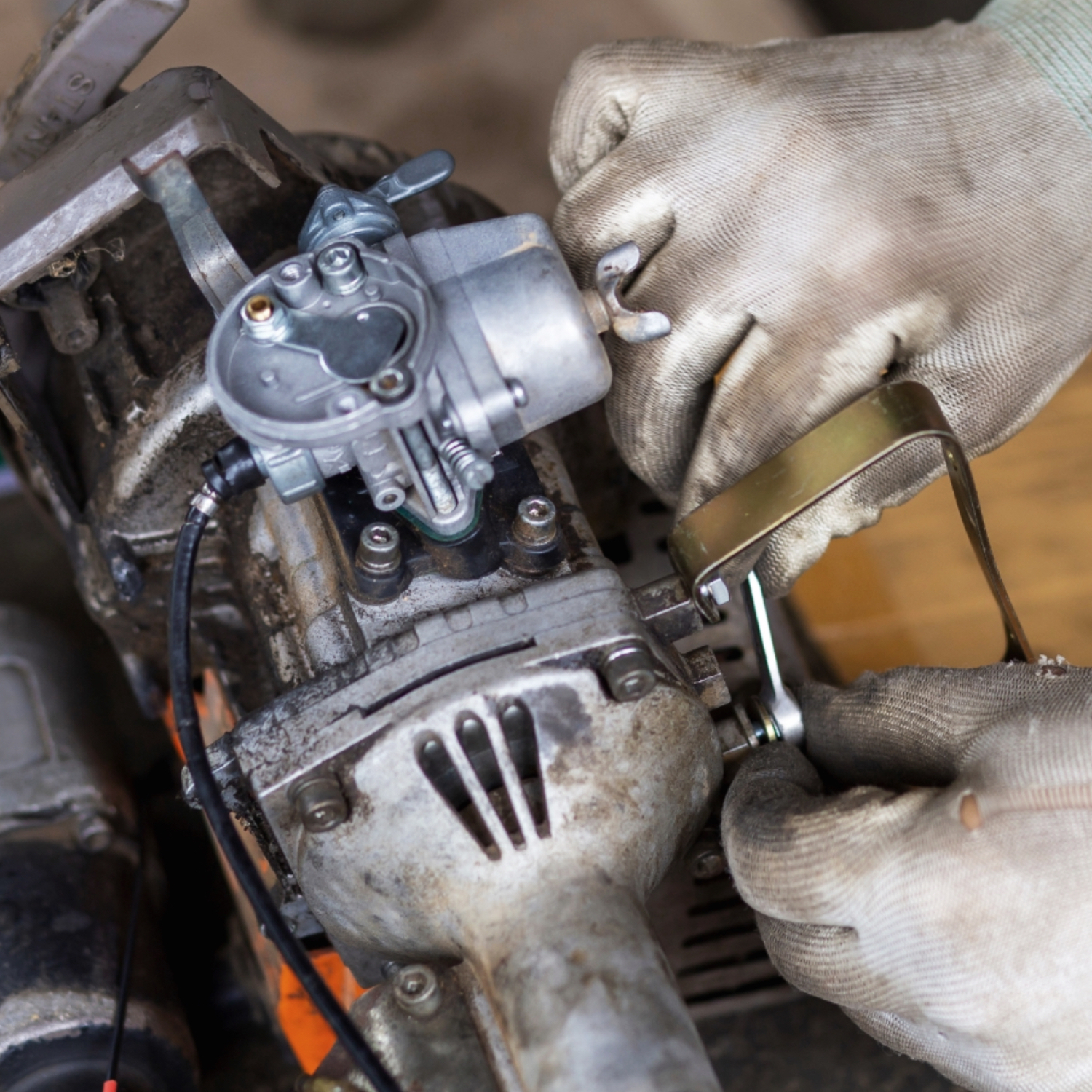
Carburetor cleaning (if engine won't start):
Symptoms of gummed carburetor:
- Engine cranks but won't fire
- Starts briefly then dies
- Runs only with choke fully closed
- No power under load
Quick carburetor fix:
- Remove air filter
- Spray carburetor cleaner into air intake
- Let penetrate 10-15 minutes
- Replace air filter
- Try starting
If that doesn't work: Carburetor rebuild required
Rotovator carburetors in stock →
Step 4: Air Filter Inspection (5 minutes)
Rotovators work in dusty soil conditions — air filters clog quickly.
Why clean air filters matter:
- Dirt entering engine causes rapid cylinder wear
- Dirty filters reduce power (engine can't breathe)
- Clogged filters increase fuel consumption
- Engine runs rich (black smoke, poor performance)
How to check air filter:
- Remove air filter cover (usually wing nut or clips)
- Remove filter element
- Inspect condition
Paper air filters:
Light dust:
- Tap filter against hand to dislodge dust
- Blow compressed air from inside to outside (never reverse)
- Hold up to light — should see light through paper
Heavy dirt/soil:
- Replace filter (cannot be adequately cleaned)
- Cost: £8-15 / $10-19 / €9-18 / C$13-26
Torn or oil-soaked:
- Replace immediately (no protection)
Foam air filters (if fitted):
- Wash in warm soapy water
- Rinse thoroughly until water runs clear
- Squeeze dry (don't twist or wring)
- Let air dry completely
- Re-oil with foam filter oil
- Squeeze to distribute oil evenly
- Reinstall when dry
Spring tip: Stock a spare air filter — rotovators in dusty spring soil need frequent changes
Rotovator air filters available →
Step 5: Spark Plug Check (5 minutes)
The spark plug ignites fuel under compression.
Why spark plugs fail over winter:
- Carbon buildup from old fuel
- Electrode corrosion from moisture
- Oil fouling if engine stored incorrectly
- Normal wear from previous season use
How to check spark plug:
- Disconnect spark plug lead (pull rubber boot, not wire)
- Clean around plug base (prevents dirt entering cylinder)
- Use correct spark plug socket (usually 16mm or 21mm)
- Remove plug and inspect
Reading your spark plug:
Good condition (light tan/grey):
- Minimal electrode wear
- Clean insulator ceramic
- Dry appearance
- Can be cleaned and reused
Bad condition — replace immediately:
- Black/sooty deposit: Rich fuel mixture or old fuel (carburetor needs adjustment)
- Wet/oily: Worn piston rings or valve guides (engine wear)
- White/blistered: Engine overheating or lean mixture (serious issue)
- Eroded electrode: Normal wear after 100+ hours (replace)
- Cracked ceramic: Replace (won't seal properly)
Spark plug gap:
- Standard gap: 0.6-0.8mm (0.024-0.031")
- Check with feeler gauge
- Adjust carefully if needed (bend ground electrode only)
Quick spark test:
- Reconnect spark plug lead to removed plug
- Hold plug threads against engine metal
- Pull starter cord
- Should see bright blue spark
- Weak orange spark or no spark = replace plug
Rotovator spark plugs in stock →
Step 6: Tiller Tine Inspection & Maintenance (10 minutes)
Tines are the working end of your rotovator — they need attention.
Why tine condition matters:
- Worn tines don't penetrate soil effectively
- Bent tines cause vibration and poor tilling
- Dull tines require more power (strains engine)
- Damaged tines can break off (safety hazard)
How to inspect tines:
Visual check:
- Look for bent or twisted tine blades
- Check for cracks at tine welds
- Inspect mounting bolts and retaining pins
- Measure tine blade length (wear indicator)
Tine wear measurement:
New tine blade: Typically 80-100mm length
Worn tine blade: Under 50mm length
Replace when: Blades worn to 50% original length
Why: Short tines don't penetrate deep enough for effective tilling
Checking tine sharpness:
- Run finger along tine edge (carefully!)
- Sharp tines have defined edge
- Dull tines are rounded and smooth
Sharpening rotovator tines:
Tools needed:
- Angle grinder with grinding disc OR
- Metal file (slower but works)
- Safety glasses
- Work gloves
How to sharpen:
- Remove tines from shaft (easier access)
- Secure in vice or clamp
- Grind cutting edge at 30-45° angle
- Maintain original bevel shape
- Remove only enough metal to restore edge
- Check both sides of tine are balanced
Important: Don't over-sharpen — tines need strength, not razor edges
Tine bolt torque:
- Re-tighten all tine mounting bolts to proper torque
- Typical: 40-50 Nm (30-37 ft-lbs)
- Vibration loosens bolts — check before each use
Replacement rotovator tines available →
Step 7: Drive Belt & Gearbox Check (8 minutes)
The drive system transfers engine power to the tines.
Drive belt inspection:
Check for these warning signs:
- Cracks on inside surface (belt will break soon)
- Glazed/shiny appearance (belt is slipping)
- Fraying edges (misalignment or worn pulleys)
- Oil contamination (leaking seal — belt will slip)
- Excessive wear on sides (pulley misalignment)
Belt tension check:
- Press down on belt midpoint between pulleys
- Should deflect 10-15mm (0.4-0.6")
- Too loose = slipping (poor performance)
- Too tight = bearing wear (premature failure)
Adjusting belt tension:
- Loosen engine mounting bolts
- Adjust position (moves engine on slotted mounts)
- Re-tighten bolts
- Recheck tension
Belt replacement interval: Every 2-3 years or at first sign of damage
Rotovator drive belts in stock →
Gearbox oil check:
Why it matters: Gearbox contains gears under high load — oil prevents metal-to-metal contact
How to check:
- Locate gearbox oil level plug (usually on side)
- Remove plug
- Oil should be at level of hole opening
- Top up if low with correct grade
Recommended gearbox oil:
- EP90 gear oil (most common)
- 80W-90 in cold climates
- Check manual for specification
Oil change interval: Every 100 hours or every 2 years
Signs of gearbox problems:
- Metal filings in oil (gear wear)
- Milky oil (water contamination — seal failure)
- Loud grinding noise when running (immediate attention needed)
Step 8: Cable & Control Inspection (5 minutes)
Cables control throttle, clutch, and safety features.
What to check:
Throttle cable:
- Moves smoothly through full range
- Returns to idle position when released
- No fraying at cable ends
- Proper adjustment (engine responds smoothly)
Clutch cable (tine engagement):
- Engages and disengages positively
- No slipping under load
- Cable not stretched or frayed
Dead man's handle (critical safety):
- Engine stops immediately when released
- Spring returns handle to off position
- Cable connection secure
Cable maintenance:
- Spray light oil along cable outer sheath
- Work oil into cable by moving control back and forth
- Adjust cable tension if needed (refer to manual)
- Replace frayed or kinked cables immediately
Safety note: Dead man's handle MUST work correctly — this prevents serious injuries
Step 9: Depth Stake & Handlebar Check (3 minutes)
Depth stake controls how deep tines penetrate.
Check:
- Stake moves freely in adjustment slots
- Locking mechanism holds position securely
- Stake not bent or damaged
- Height adjustment range adequate for your soil
Handlebar check:
- All mounting bolts tight
- Height adjustment locks securely
- Grips not damaged or slippery
- Controls accessible and comfortable
First Start Procedure After Maintenance
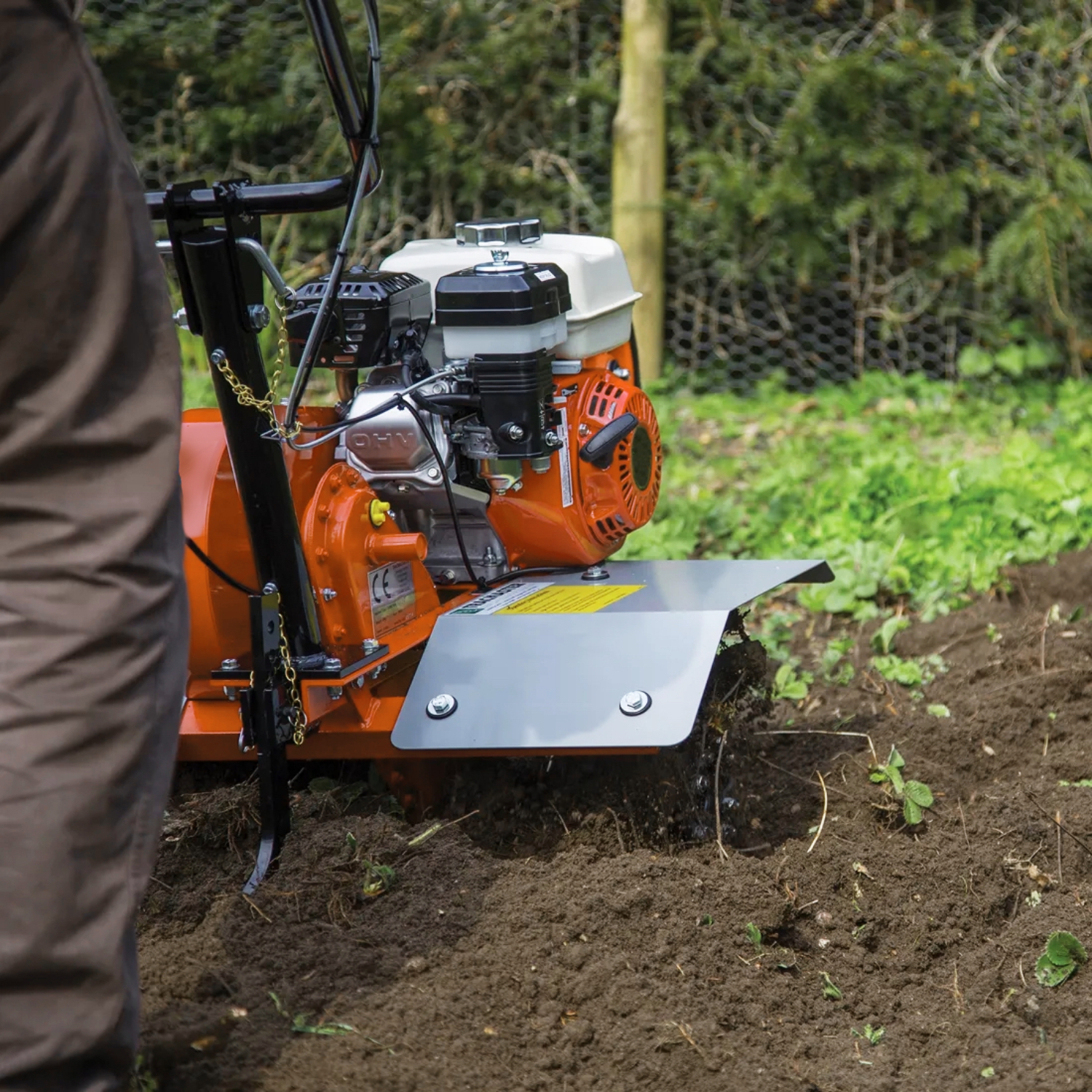
Follow this sequence for safe startup:
Step 1: Pre-Start Safety
- Clear work area of people and obstacles
- Check tines turn freely (not jammed with debris)
- Ensure tine clutch is DISENGAGED
- Set throttle to START/CHOKE position
Step 2: Starting Sequence
- Turn fuel valve ON
- Set choke to CLOSED (cold engine)
- Turn ignition ON
- Hold dead man's handle firmly
- Pull starter cord smoothly
- Once started, gradually open choke
- Let engine warm 2-3 minutes
Step 3: Function Test
- Test throttle response (idle to full speed)
- Engage tine clutch — tines should spin
- Disengage clutch — tines should stop immediately
- Release dead man's handle — engine should stop
- Listen for unusual noises (grinding, knocking)
Troubleshooting first start:
Engine won't start:
- Verify fuel valve is ON
- Check choke is fully CLOSED
- Ensure dead man's handle is held
- Check spark plug connection tight
Engine starts then dies:
- Carburetor clogged (old fuel)
- Air filter blocked
- Fuel filter blocked
Engine runs but no power:
- Drive belt slipping (tension or oil contamination)
- Clutch not engaging fully
- Gearbox issue
Tines won't turn:
- Clutch cable not adjusted properly
- Drive belt broken or off pulleys
- Gearbox internal failure
Common Spring Startup Problems & Solutions
Problem 1: "Rotovator won't start after winter storage"
Diagnosis checklist:
-
Is there fresh fuel? (90% of no-start problems)
- Solution: Drain old fuel, add fresh
- Cost: £0 / $0 / €0 / C$0 (just fuel cost)
-
Is spark plug fouled?
- Solution: Clean or replace spark plug
- Cost: £6-12 / $8-15 / €7-14 / C$10-20
- Buy spark plugs →
-
Is carburetor clogged?
- Solution: Carburetor cleaning or rebuild
- Cost: £8-15 / $10-19 / €9-18 / C$13-26 (cleaner) or £40-80 / $50-100 / €47-95 / C$68-136 (rebuild kit)
- Carburetor parts →
-
Is oil level adequate?
- Solution: Top up oil
- Cost: £10-15 / $13-19 / €12-18 / C$17-26
Problem 2: "Tines won't turn when clutch engaged"
Possible causes:
Drive belt slipping or broken:
- Check belt condition and tension
- Replace if worn, cracked, or glazed
- Cost: £15-35 / $19-44 / €18-41 / C$26-60
- Drive belts →
Clutch cable issue:
- Adjust cable tension
- Replace if frayed or kinked
- Cost: £12-25 / $15-32 / €14-29 / C$20-43
Gearbox failure:
- Requires professional inspection
- Cost: £150-400 / $190-505 / €175-470 / C$255-680 (rebuild)
Problem 3: "Rotovator vibrates excessively"
Common causes:
Bent or unbalanced tines:
- Inspect each tine for damage
- Replace bent tines
- Ensure matching tines on opposite sides
- Cost: £8-15 / $10-19 / €9-18 / C$13-26 per tine
Loose tine bolts:
- Tighten all mounting bolts to proper torque
- Use thread lock compound
- Cost: £0 / $0 / €0 / C$0
Worn gearbox bearings:
- Professional inspection required
- Cost: £80-200 / $100-250 / €95-235 / C$136-340
Problem 4: "Engine runs but lacks power when tilling"
Diagnosis:
Dirty air filter:
- Clean or replace filter
- Cost: £8-15 / $10-19 / €9-18 / C$13-26
Spark plug fouled:
- Replace spark plug
- Cost: £6-12 / $8-15 / €7-14 / C$10-20
Drive belt slipping:
- Check tension and condition
- Cost: £15-35 / $19-44 / €18-41 / C$26-60
Carburetor needs adjustment:
- Professional service may be needed
- Cost: £40-80 / $50-100 / €47-95 / C$68-136
Spring Rotovator Parts to Stock
Essential spares for uninterrupted planting season:
✅ Spark plug × 1 — Most common failure (£6-12 / $8-15 / €7-14 / C$10-20)
✅ Air filter × 1 — Gets dirty quickly in soil (£8-15 / $10-19 / €9-18 / C$13-26)
✅ Drive belt × 1 — Wears from high load use (£15-35 / $19-44 / €18-41 / C$26-60)
✅ Tine blades × 2 — Spares for breakage (£8-15 / $10-19 / €9-18 / C$13-26 each)
✅ Fuel filter × 1 — Prevents carburetor clogs (£5-10 / $6-13 / €6-12 / C$9-17)
✅ Engine oil × 1 liter — Mid-season top-ups (£10-15 / $13-19 / €12-18 / C$17-26)
✅ Shear pins × 3 — Safety breakaway (if fitted) (£3-8 / $4-10 / €4-9 / C$5-13)
Total investment: £55-110 / $70-140 / €65-130 / C$93-187 for complete peace of mind
Cost of downtime during planting season:
- Lost planting window: 3-7 days waiting for parts
- Late planting = reduced yields
- Rush delivery fees: £10-30 / $13-38 / €12-35 / C$17-51
Spring Planting Timeline: When to Service Your Rotovator
UK & Northern Europe
Timing: February-March 2026
Why:
- Last frost typically late March/early April
- Allotment holders start prep in February
- Seed potatoes planted March-April
- Service rotovator in February for March planting
Soil conditions:
- Wait for soil to dry (not waterlogged)
- Squeeze test: soil should crumble, not form ball
- Tilling wet soil damages structure
Southern Europe
Timing: January-February 2026
Why:
- Warmer climate = earlier planting
- Winter vegetables planted November-December
- Spring crops start February-March
- Service rotovator in January
US Regional Variations
Northern states (zones 3-5): April-May 2026
Mid-Atlantic (zones 6-7): March-April 2026
Southern states (zones 8-10): February-March 2026 (some year-round)
Canada
Timing: Late April-May 2026
Why:
- Shorter growing season (critical timing)
- Last frost mid-May in many areas
- Service rotovator in April
- Have backup plan for late spring snow
Australia (opposite seasons)
Timing: August-September 2026
Why:
- Spring in southern hemisphere
- Service rotovator in August for September planting
Frequently Asked Questions
How often should I service my rotovator?
Pre-season service (annual): Complete maintenance including oil change, tine inspection, and carburetor service. During season (every 25 hours): Check oil level, clean air filter, inspect tines, tighten bolts. Post-season (autumn): Drain fuel, change oil, clean thoroughly, store properly. Most allotment holders need only annual pre-season service plus basic checks.
Can I sharpen rotovator tines myself?
Yes, if you have the right tools. Use an angle grinder or metal file to restore the cutting edge at a 30-45° angle. Maintain the original bevel shape. Don't over-sharpen — tines need durability. If tines are worn to less than 50% original length, replace them rather than sharpening. Badly worn tines don't penetrate soil effectively. Replacement tines available →
My rotovator won't start after winter. What should I check first?
Check these in order: 1) Fresh fuel — drain old fuel and refill (fixes 90% of problems). 2) Oil level — top up if low. 3) Spark plug — remove, inspect, clean or replace. 4) Air filter — clean or replace if dirty. 5) Carburetor — spray cleaner into intake if above steps don't work. Old fuel is the most common cause of spring startup failures. If you still have isuues please visit GetHerGoing.com for FREE interactive repair guides.
What's the best oil for rotovator engines?
For spring use in temperate climates: SAE 30 (above 5°C / 41°F) or 10W-30 multi-grade (variable temperatures). For cold spring starts: 5W-30 synthetic. Capacity: Typically 0.6-1.0 liters depending on engine size. Check your manual for exact specification. Change oil annually before planting season or every 50 hours of use.
How deep should rotovator tines go?
For most garden preparation: 15-20cm (6-8 inches) depth. For new ground/heavy clay: Start shallow (10cm) on first pass, then deeper on second pass. For established beds: 10-15cm (4-6 inches) maintains soil structure. Adjust depth stake to control penetration. Tilling too deep brings up subsoil and weed seeds. Multiple shallow passes are better than one deep pass.
Why does my rotovator jump forward when I engage the tines?
This is normal behavior, but can be controlled. Causes: Tines rotating forward pull machine along. Solutions: 1) Use depth stake to provide resistance. 2) Lean back slightly on handlebars. 3) Reduce throttle when first engaging clutch. 4) Make multiple passes rather than trying to go deep first time. 5) Check drive belt isn't slipping (should engage smoothly). Never stand in front of rotovator when engaging tines — always to the side or behind.
When is soil too wet to rotovate?
Squeeze test: Grab a handful of soil and squeeze. Too wet: Forms a sticky ball that doesn't break apart. Just right: Forms a ball that crumbles easily. Too dry: Won't form a ball (dusty). Wait for dry soil — tilling wet soil destroys structure, creates hard clods, compacts subsoil, and clogs rotovator tines. Patience pays off with better soil preparation.
How long do rotovator tines last?
Typical lifespan: 50-100 hours of tilling depending on soil type. Clay/stony soil: Faster wear (50-75 hours). Sandy/loamy soil: Longer life (75-100 hours). Signs tines need replacing: Worn to less than 50% original length, bent or cracked, won't penetrate soil properly, excessive vibration. Replacement tines in stock →
Emergency Parts Checklist for Planting Season
Don't let equipment failure delay your planting:
Critical Spares to Have Ready
Engine Parts:
- ✅ Spark plug × 1 — Replace every 100 hours
- ✅ Air filter × 1 — Gets dirty quickly in soil
- ✅ Fuel filter × 1 — Replace annually
- ✅ Recoil starter × 1 — Backup for failures
Drive System:
- ✅ Drive belt × 1 — High-wear component
- ✅ Clutch cable × 1 — Common failure point
Tilling Components:
- ✅ Tine blades × 2-4 — Spares for breakage
- ✅ Tine mounting bolts × set — Vibration loosens them
- ✅ Shear pins × 3 — Safety breakaway (if fitted)
Consumables:
- ✅ Engine oil (SAE 30 or 10W-30) — 1-2 liters
- ✅ Gearbox oil (EP90) — 500ml
- ✅ Fuel stabilizer
- ✅ Carburetor cleaner spray
Shop Complete Rotovator Parts Kit →
Key Takeaways: Spring Rotovator Maintenance
Remember these five essentials:
- ?️ Fresh fuel is critical — Drain old fuel, prevents 90% of startup problems
- ? Check tine condition — Worn tines don't till effectively
- ? Tighten all bolts — Vibration loosens tine and frame bolts
- ? Replace spark plug if fouled — Cheap insurance for reliable starting
- ⚙️ Test drive belt tension — Slipping belt = poor performance
45 minutes of maintenance = successful planting season.
Need Rotovator Parts Fast?
Gethergoing Parts stocks thousands of rotovator engine parts for fast delivery:
- ✅ All major rotovator engine brands in stock (Loncin, Lifan, Ducar, and more)
- ✅ Genuine and compatible replacement parts
- ✅ Expert technical support team
- ✅ Worldwide shipping (UK, Europe, USA, Canada, Australia)
Free help: Can't identify your rotovator model? Send us a photo — our engineers will identify it and recommend the right parts.
Browse Rotovator Engine Parts →
Questions about your specific rotovator? Visit GetHerGoing.com for FREE interactive repair guides.
About Gethergoing Parts
This guide was written by the Gethergoing technical team, specialists in small engine maintenance for outdoor power equipment. Gethergoing Parts supplies engine parts for rotovators, pressure washers, compactors, log splitters, and other machinery worldwide.
This information is intended as a guide only for trained repair engineers and does not replace professional training. By using this guide you agree to our T&C. E&EO
Why Trust This Guide?
This guide was written by the Generator Guru / Gethergoing technical team, qualified engineers with over 18 years of experience supporting 100,000+ customers annually. We stock over 1 million parts and provide free repair support at generatorguru.com/need-help and gethergoing.com.


